Walk-Ins and Same Day Appointments Available


Our Technology
State-of-the-art Technology
At Market Street Optometry, we invest in the latest technology, so you receive faster, more accurate diagnoses and more effective, comfortable treatments. Our advanced diagnostic and therapeutic tools help us tailor eye care plans to each patient’s unique needs — improving outcomes and enhancing your overall experience.
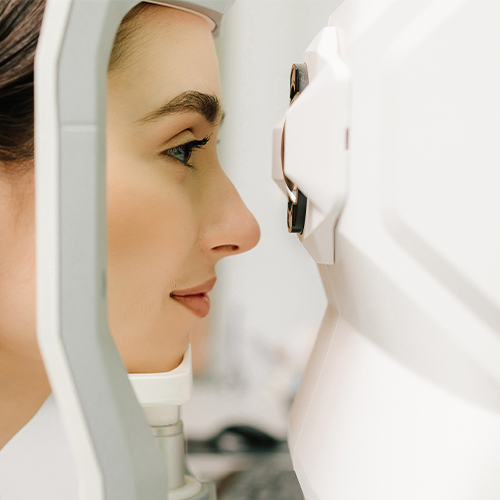
Optomap® Retinal Imaging
Optomap retinal imaging provides a fast, comfortable, and non-invasive way to capture an ultra-widefield view of the retina — the back portion of the eye where many sight-threatening conditions begin. Using advanced imaging technology from Optos, this scan allows our doctors to:
Detect early signs of glaucoma
Identify macular degeneration
Monitor diabetic eye changes
Evaluate retinal freckles and other abnormalities
Screen for warning signs of retinal tears or detachment
Optomap allows us to see areas of the retina that are not visible with traditional imaging alone, helping us detect problems earlier and monitor eye health more accurately—often without the need for dilating drops.
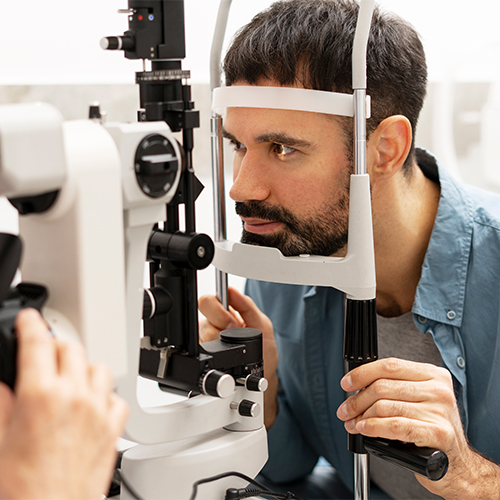
Connect® Digital Eye Exam
Connect is an advanced digital eye measurement system that improves the accuracy and efficiency of your eye exam. Powered by technology from Essilor, Connect helps our doctors:
Measure your prescription with greater precision
Reduce guesswork during the refraction process
Create a digital “fingerprint” of your eyes for future comparisons
Support more accurate evaluations for both children’s eye exams and contact lens fittings
This technology allows us to deliver a more personalized and consistent prescription experience while enhancing our ability to track changes in your vision over time.
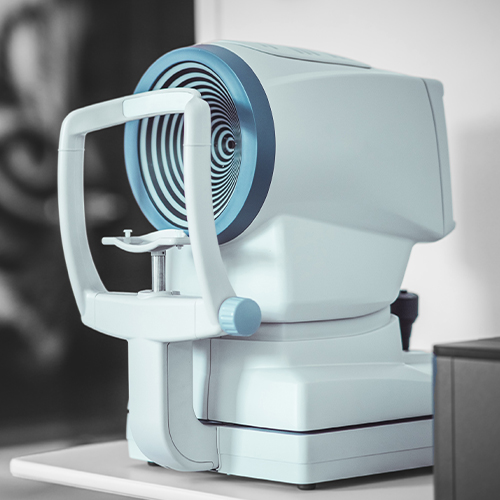
Antares Meibographer
Our Antares Meibographer gives us a clear view of the structure and integrity of the meibomian glands, which are essential for producing healthy tears. This non-invasive imaging tool allows us to:
Visualize meibomian gland dropout and distortion
Quantify gland loss
Detect early signs of meibomian gland dysfunction (MGD)
Personalize treatment based on each patient’s tear film profile
Using Antares imaging, we can intervene earlier and more effectively for patients with dry eye, blepharitis, or chronic irritation.
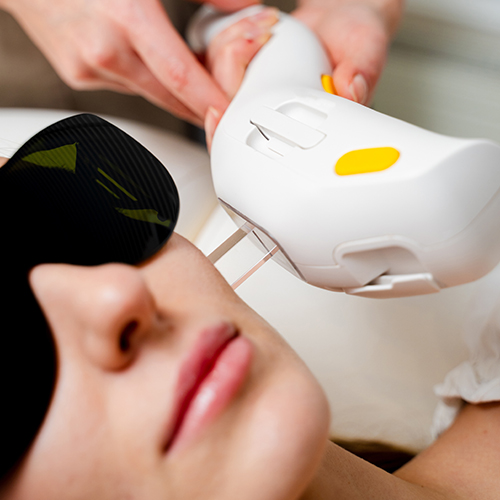
OptiPlus IPL (Intense Pulsed Light)
OptiPlus IPL (Intense Pulsed Light) is an advanced therapeutic option for dry eye disease, especially when meibomian gland dysfunction is a contributing factor. OptiPlus delivers controlled light pulses to the eyelids to:
Reduce inflammation
Improve oil gland function
Decrease abnormal blood vessels that perpetuate chronic irritation
Enhance tear film stability
IPL is comfortable, efficient, and typically requires a series of brief treatments for best results. Many patients experience noticeable relief from dry eye symptoms and improved comfort within a few sessions.

OptiPLUS (Advanced Dry Eye Therapy)
OptiPLUS is our comprehensive dry eye therapy platform that combines multiple evidence-based technologies to restore healthy tear production and reduce chronic irritation. This advanced treatment approach may include:
Thermal pulsation to open clogged meibomian glands
Targeted debridement of lid margin debris
Customized treatment plans based on individual tear film and gland health
OptiPLUS is ideal for patients suffering from moderate to severe dry eye disease, offering a more complete solution than traditional drop-based therapies alone.
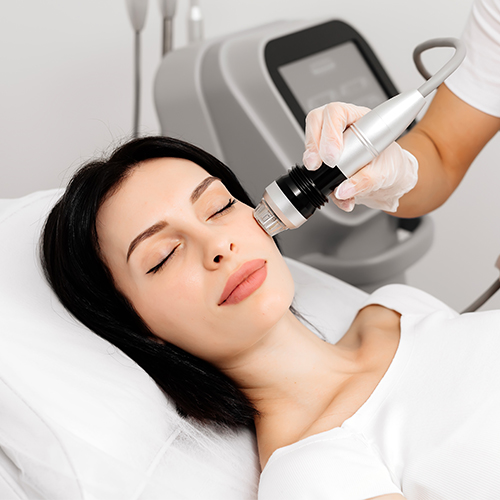
OptiLift
OptiLift is an innovative, non-invasive in-office treatment that focuses on improving eyelid function and lid strength. Proper eyelid movement and complete blinking are essential for:
Even distribution of tears
Optimal meibomian gland expression
Healthy tear film maintenance
By gently stimulating the muscles around the eyelids, OptiLift supports more complete blinks and helps alleviate symptoms associated with incomplete blinking — a common contributor to dry eye and digital eye strain.
Why Advanced Technology Matters
Precision technology enhances every aspect of your eye care experience. From early detection of gland dysfunction to targeted treatment that addresses the root cause of symptoms, not just the discomfort, our state-of-the-art tools help us deliver better outcomes, faster relief, and long-lasting comfort.
We believe in proven solutions paired with a personalized approach because every pair of eyes is unique.
Frequently Asked Questions
How do I know which dry eye technology is right for me?
Your doctor uses advanced imaging and testing—such as meibomian gland imaging and tear film evaluation—to determine the main cause of your dry eye. Based on whether inflammation, gland blockage, or incomplete blinking is contributing to your symptoms, we personalize a treatment plan using technologies such as Antares Meibography, OptiPlus IPL, OptiPLUS therapy, and OptiLift.
Can these technologies be combined?
Yes. Many patients achieve the best results when treatments are combined. For example, imaging with Antares Meibography may guide treatment with OptiPlus IPL and OptiPLUS therapy, while OptiLift can be added to improve blinking and eyelid function. Combining technologies allows us to treat dry eye at multiple levels.
How many treatments will I need?
The number of sessions varies based on the severity of your dry eye and meibomian gland dysfunction. Most patients benefit from a short series of treatments followed by maintenance care. Your doctor will recommend a personalized schedule after your evaluation.
Are these treatments safe?
Yes. All of our in-office technologies are non-invasive and clinically used in eye care practices. Treatments such as IPL, radiofrequency-based therapies, and eyelid stimulation are carefully performed by trained professionals to ensure comfort and safety.
Is there any downtime after treatment?
Most patients return to normal daily activities immediately after their visit. Mild redness or warmth around the eyelids may occur temporarily, but significant downtime is not expected.
Does OptiLift help if I spend a lot of time on computers or digital devices?
Yes. Incomplete and reduced blinking is common during prolonged screen use. OptiLift is designed to improve eyelid muscle function and support more complete blinking, helping distribute tears more effectively and improve overall eye comfort.
Will these treatments replace my eye drops?
In many cases, advanced dry eye technology helps reduce dependence on frequent artificial tears by addressing the underlying cause of dry eye. However, some patients may still benefit from supportive at-home care as part of a comprehensive treatment plan.
How long will my results last?
Results vary by individual and by the underlying cause of dry eye. Many patients experience lasting improvement when in-office treatments are paired with proper home care and routine follow-up visits. Maintenance treatments may be recommended to preserve results.
Are these technologies covered by insurance?
Advanced dry eye procedures and diagnostic imaging are often considered elective or medical specialty services and may not be fully covered by insurance. Our team will review your benefits and discuss any out-of-pocket costs with you before treatment.
Can children or teens receive these treatments?
Most of our dry eye technologies are designed for adult patients. If a younger patient is experiencing symptoms, your doctor will determine whether advanced technology or more conservative care is appropriate.
What should I do to prepare for my appointment?
Arrive without eye makeup when possible and bring a list of any eye drops or medications you are currently using. This helps us perform accurate imaging and provide the most effective treatment recommendations.


San Francisco
Monday - Friday : 9am - 6pm
Saturday : 9am - 5pm
Sunday : 11am - 5pm
Saturday : 9am - 5pm
Sunday : 11am - 5pm
© 2026 Market Street Optometry - All Rights Reserved - Privacy Policy - Accessibility Statement - Sitemap
Powered by:
